

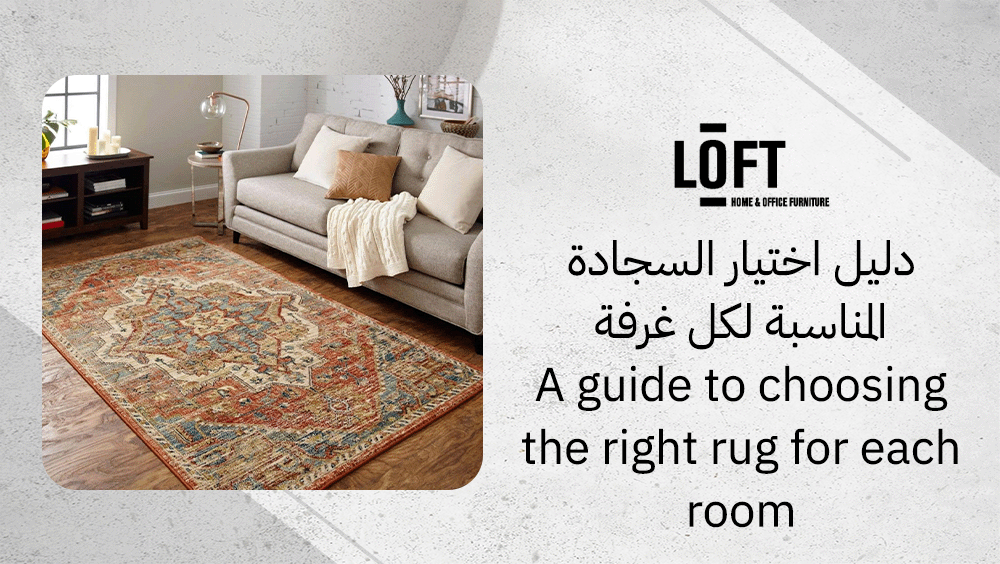
Choosing the right rug for each room in the home is not only based on taste but also on well-thought-out rules that include suitable rug sizes, coordinating the rug with furniture, and choosing practical materials that withstand daily use. A large rug in the living room gives a sense of warmth and ties the furniture details together, while bedrooms and children's rooms need a comfortable texture and easy-to-clean rugs to maintain a peaceful atmosphere and cleanliness.
Those looking for a practical guide to choosing rugs want to know the exact measurements that fit each space, as well as the harmony of colors with the décor between classic and modern styles. In this context, Loft offers a comprehensive range of designs and materials, along with advisory services to help you choose the rug that perfectly fits every room in terms of both form and function. Explore Loft’s rug collection now and get a personalized consultation that adds a refined and harmonious touch to your home.
The Importance of the Guide to Choosing the Right Rug for Every Room
Choosing a rug is not just an aesthetic detail; it is an essential element that determines the harmony of the overall décor of any room. The importance of a rug goes beyond its appearance to influence the overall ambiance, comfort, and even the distribution of light and space.
A suitable rug can highlight furniture and seamlessly blend its colors.
Placing it in a well-thought-out position reduces noise and enhances the feeling of warmth and comfort.
Changing the rug gives the room a refreshed look without the need to replace the furniture or paint.
Guide to Choosing the Right Rug and Furniture Integration
The relationship between the rug and furniture is like a visual dialogue that defines the character of the space. When the size of the rug aligns with the room’s space and furniture placement, a harmonious unity is created, making the design more balanced. If the rug is too small, it divides the space and creates visual gaps that reduce the décor’s harmony. On the other hand, a large rug gives a feeling of expansiveness and reinforces the unity of the different elements in the room.
The Effect of Rugs on Space and Warmth
The choice of rug clearly affects the feeling of room size and its comfortable nature. Light-colored rugs enhance openness and light, while warm colors create a sense of coziness and intimacy. A thick rug’s texture also reduces noise transfer between floors and makes the floor more comfortable underfoot, reinforcing the feeling of calm and relaxation in any home space.
Loft’s Ideal Rugs for Every Space
Loft offers an exclusive collection of carefully designed rugs that suit various décor styles and home spaces. The store also provides customized advisory and design services to help customers choose the most suitable rug for each room, offering practical solutions that include flexible payment options and support for residential and commercial projects.
Conan Rectangular Ivory Rug
The Conan rug combines elegance and practicality thanks to its wool and cotton blend, giving it a soft texture and durability that lasts with use. Its size of 200×300 cm easily covers large areas, and its ivory color provides a sense of spaciousness and tranquility, making it an ideal choice for both modern and classic designs. It is also resistant to fading and wear, requiring gentle cleaning regularly to maintain the beauty of its color and texture.
Loft’s Multi-Color Rug
Loft’s multi-color rug highlights vitality and elegance within any room thanks to its rich blend of coordinated shades. Made from strong and flexible fabric, it offers high durability suited for daily use. Its dimensions of 200×300 cm make it suitable for spacious areas. Its varied colors offer visual balance and add warmth to the space, while its quality is preserved through regular cleaning that maintains the fabric and colors.
Guide to Choosing the Right Rug for Every Room in the Home
The guide to choosing the right rug for every room is a fundamental step in achieving visual balance and functional space. Measurements are determined based on the room size and furniture layout, with consideration for leaving exposed floor space around the edges of 10 to 15 cm to highlight the rug without obscuring the room’s features.
Living Room Rug Sizes
Living room rugs should fit the furniture dimensions to provide visual harmony and define the seating area. In large rooms, it is preferable to use rugs sized 250×350 cm or 400×500 cm, covering the front legs of the sofas and coffee table entirely, creating a comfortable visual consistency. In smaller rooms, a 160×230 cm rug is a practical option that adds depth to the space without causing visual overcrowding or narrowing the area.
Choosing Bedroom Rugs
In bedrooms, the rug size depends on the type of bed and available movement space. For king-sized beds, it is recommended to use a rug sized 400×300 cm to cover the edges and add warmth and elegance to the space. For queen or single beds, a rug size of 250×350 cm is suitable. In smaller rooms, two side rugs of 90×150 cm can be placed on either side or at the head of the bed to provide texture and comfort when getting up. It is important that the rug covers at least half of the bed’s area to appear balanced and cohesive.
Dining Room and Hallway Rugs
Dining room rugs should accommodate the table and chairs with additional space on the sides for easy movement. The general recommendation is to leave 45 to 60 cm of rug extending around the table to prevent the chair legs from catching on the edges when pulled out. In hallways, it is preferable to use long and narrow rugs of 80×300 cm to guide movement and provide a visual extension without obstructing door openings or foot traffic.
By thoughtfully selecting rug sizes for each room, a perfect balance between practicality and aesthetics can be achieved in home design.
Best Materials for Practical Rugs
Wool and Cotton Rugs
Wool is one of the most preferred materials for practical rugs due to its warmth, softness, and comfortable touch underfoot, along with its high durability and ability to maintain its shape for many years. However, wool rugs require regular maintenance and cleaning to avoid dust buildup, making them an ideal option for living rooms or bedrooms with low movement.
Cotton, on the other hand, is an economical and easy-to-wash option, known for its lightweight and portability. However, it is less resistant to wear and moisture compared to wool, so it suits light usage or rooms that are frequently cleaned.
For a balance between durability and comfort, a wool-cotton blend rug (70% wool and 30% cotton) is a practical choice, combining a comfortable texture, reasonable price, and longer life than pure cotton, making it suitable for families looking for durable material for daily use.
Synthetic Fibers and Their Advantages
Synthetic fibers such as polyester and nylon are widely used in rugs for entrances and kitchens, as they offer high performance in high-traffic environments. They are durable for large families who seek rugs that can withstand heavy use without losing their appearance or color.
Some key advantages of synthetic fiber rugs:
- Excellent stain resistance, making them easy to clean for daily use.
- They can withstand high levels of movement and friction without losing durability.
- They retain their color longer due to their resistance to fading caused by light exposure.
- They offer flexibility in design and color and are an economical option compared to natural rugs.
While they may be less soft than wool or cotton, their ease of maintenance and resistance to daily factors make them suitable for active homes, offices, and high-traffic areas.
Other Materials and Their Impact
Other materials like jute or artificial silk are added to certain designs to offer a unique texture or luxurious appearance, but they are less suitable for everyday practical use. Natural rugs provide better thermal insulation and a warmer feel, while synthetic rugs stand out for their ease of cleaning and stain resistance. The choice of the most suitable type depends on the family’s lifestyle and the level of activity in each room, balancing beauty and function in every material.
Choosing Rug Colors and Coordinating Them with Décor
The Effect of Colors on Spaciousness and Light
Rug color selection directly affects the feeling of spaciousness and light within a room. Light colors such as ivory and beige reflect light and give the impression of a larger space, especially in small rooms or those with limited lighting. However, they require extra care as they show stains easily.
Dark colors, on the other hand, create a warm and intimate atmosphere and conceal dirt better, but they can make the room look smaller visually. Therefore, it is recommended to use them in larger spaces or places with strong natural lighting.
Coordinating Rug Colors with Furniture
Color harmony between rugs and furniture defines the overall scene’s balance and gives the space a sense of unity. If the furniture colors are calm and neutral, a rug with rich or patterned colors can be chosen to add visual depth. If the sofa is dark, it is advisable to choose a rug in lighter shades to create a clever contrast and highlight the details of the room.
The harmony between rugs, curtains, and cushions also enhances the unity of elements and makes the room’s design feel cohesive. The key is to balance color and texture without exaggerating contrasts.
Rugs for Different Décor Styles
Every décor style has its unique personality, reflected in the choice of rug colors and patterns:
- In modern décor, rugs with neutral colors and simple geometric patterns stand out, especially in open spaces.
- In classic décor, beige and gold colors shine with luxurious traditional designs.
- The rustic style prefers rugs with earthy colors and natural shades that enhance the warmth of the environment.
- The Scandinavian style leans towards light rugs with calm and simple patterns.
Multi-colored rugs can add movement and vitality to the room, but they require regular cleaning to keep their colors vibrant and coordinated with the overall décor. In this way, choosing and coordinating rug colors becomes an essential part of the guide to selecting the right rug for every room.
Common Mistakes to Avoid When Buying Rugs
Choosing Inappropriate Sizes
One of the most common mistakes in choosing a rug size is buying a rug that is too small for the room size, creating visible gaps and making furniture placement seem unbalanced. This often happens in living rooms, where floor edges remain exposed, creating a visual imbalance. On the other hand, a rug that is too large can overwhelm the space, hiding the floor details and making furniture arrangement difficult. Users recommend measuring the area accurately before purchasing and considering the distance between furniture legs and rug edges to ensure a practical visual balance.
Neglecting Stain Resistance or Material Quality
Choosing a rug material without considering its resistance to stains is a common mistake that leads to cleaning and maintenance difficulties. Rugs made from rigid or poor-quality materials lose their appearance quickly, and a thick rug lacking an anti-slip layer creates a risk of slipping for family members during movement. Therefore, it is important to choose practical and stain-resistant materials, especially in high-use rooms or entryways.
Placing Rugs that Block Door Movement
A mistake that shows up after purchase is placing a rug in areas that block door movement or cause it to rub against fibers when opened and closed. This minor issue can lead to instability in the rug’s placement and damage its edges over time. Some users noted difficulty in securing the rug or had to constantly move it to facilitate passage, which reduces daily comfort in the home. The ideal solution is to test the rug height before securing it and avoid placing it directly under door openings.
Neglecting to Choose Rugs for Children or Pets
In homes with children or pets, there is a need for rugs with practical features that are easy to clean. Using very light-colored rugs enhances the visibility of stains quickly, making them look dirty despite frequent cleaning. Rough or difficult-to-clean materials are not suitable for environments where spills or dirt accumulation occur frequently. Choosing flexible, stain-resistant rugs with balanced colors helps maintain the home’s appearance and makes daily care easier.
Tips for Daily Rug Maintenance and Care
How to Clean Wool and Cotton Rugs
Wool and cotton rugs require special care to maintain their texture and original color. It is advisable to vacuum them regularly to prevent dust buildup within the fibers, avoiding the use of harsh liquids or full washing that may cause fading or damage to the texture. It is sufficient to wipe with a damp cloth with lukewarm water when necessary and gently dry the area.
Handling Stains Without Damage
To handle sudden stains while maintaining the rug’s fabric, it is recommended to sprinkle a little salt on the stain and let it dry before vacuuming. This method is suitable for both wool and cotton rugs. Synthetic fiber rugs can be cleaned with mild, neutral cleaners that won’t affect the color or softness of the fibers.
Protecting Rugs from Slipping and Fading
To protect rugs from slipping on soft floors, it is preferable to use rubber backing under the rug or secure it with anti-slip tape. To preserve the rug’s color and prevent fading, it is advised to keep it away from direct sunlight and clean it dry at regular intervals. These practices also contribute to extending the rug’s life and improving its appearance in an effective daily maintenance routine.
FAQ – Frequently Asked Questions About the Guide to Choosing the Right Rug for Every Room
- How do I choose the right rug?
- The right rug choice depends on knowing the room’s function first, then determining the size that fits the space without being too large or too small. It is also essential to choose the rug material according to its intended use. High-traffic areas need durable, easy-to-clean rugs, while softer materials are suitable for resting rooms.
- Best place for a rug in the bedroom?
- The placement of the rug under the bed is crucial. It should cover at least half of the area under the bed to ensure the right size. In bedroom designs, it’s recommended to ensure harmony between the bed, nightstands, and rug edges.
- How to match sofa colors with rugs?
- Color matching: Choose a rug that matches or is close to the sofa’s color shades for a harmonious and calm look, even if it means sacrificing visual vibrancy. Clever contrast: If the sofa is dark, select a rug in lighter shades to highlight the sofa and create visual space, and vice versa, as dark rugs provide more warmth when paired with light sofas.
- Best type of rug for bedrooms?
- Wool rugs are the best option for bedrooms due to their tangible warmth and soft texture that provides extra comfort when walking on them. They are also durable and retain their appearance for a long time, making them both a practical and aesthetic choice.
Conclusion
The guide to choosing the right rug for every room reflects the harmony of the décor and gives the space a balance between beauty and function, considering dimensions, material, and daily usage nature. You can visit Loft to discover a variety of rugs and benefit from expert consultants who help you choose what suits your family’s needs. Contact the Loft team for a perfect shopping experience and enjoy practical solutions and offers that add a distinctive touch to every corner of your home.